Boosting Your Soil Health: Native vs. Non-Native Microbes
Soil health is the cornerstone of productive farming. It’s not just about the dirt – it’s about the billions of microorganisms that make your soil a living, thriving ecosystem. But when it comes to building stronger microbial populations, should you focus on nurturing the native microbes already adapted to your soil, or use inoculants only when a specific function is needed? Let’s break it down.
Understanding soil microbes
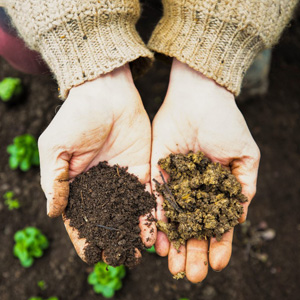
Soil is alive. Beneath your feet, an intricate community of bacteria, fungi, and other microorganisms works together to break down organic matter, release nutrients, and improve soil structure. Soil organic matter (SOM) forms the foundation of this ecosystem and consists of three key components:
Living Organisms: This includes bacteria, fungi, protozoa, and other microorganisms actively decomposing organic materials.
Fresh Residues: Recently added plant and animal materials that are beginning to decompose.
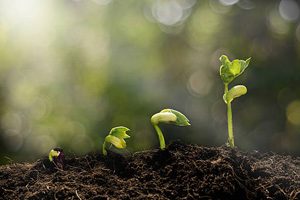
Well-Decomposed Material (Humus): Stable organic compounds resulting from extensive decomposition, which enhance soil structure and nutrient retention.
Understanding and maintaining SOM is critical for nutrient cycling, water retention, and overall soil fertility.
Why Native Microbes Matter
Native microbes are already adapted to the soil chemistry, climate, and crop environment in your field. That matters because survival, colonization, and competition determine whether any microbe can persist long enough to make a difference.
They are already established. Native populations occupy the habitat, compete well, and rebound quickly after stress events like heat, salinity swings, drying cycles, and fertigation changes.
They are more predictable to manage. You can influence native microbes every season with consistent levers: carbon flow from roots, irrigation timing, oxygen status, residue inputs, and targeted nutrition.1
- They are locally fitted. Research increasingly shows a home-field advantage: communities built from native core organisms tend to colonize and function more reliably in real soils than non-native mixes.2
They support long-term gains. When the resident community is energized, you tend to get compounding benefits: better aggregation, steadier nutrient release, and improved buffering against extremes.
That’s the logic behind a native-first strategy: feed the community that is already winning the competition. MultiFIX is designed to supply specific nutrients and energy sources that help beneficial native microbes reproduce rapidly and thrive around roots and in the plant microbiome, so the soil biological processes you already have can perform at a higher level.
Native-first vs inoculants: what determines outcomes
Microbial inoculants are not automatically bad, and they are not automatically reliable. Outcomes are determined by a short list of practical factors that research keeps circling back to: establishment, fit, and field conditions.
Field results can swing widely. A large on-farm study of arbuscular mycorrhizal fungi inoculation found highly variable crop responses, ranging from negative to strongly positive, and showed that a small set of soil microbiome indicators helped predict when inoculation would work.3
Native communities resist invasion. Even when an inoculant is applied repeatedly, survival gains can be modest, and inoculation density can matter more than frequency.4
Average effects can be positive, but stress and soil conditions regulate the size of the win. A 2024 meta-analysis found microbial inoculants increased soil microbial biomass on average, but the benefit weakened under environmental stress and strengthened with fertilizer use and native inoculants.1
Delivery strategy can make or break results. Some of the strongest recent inoculant outcomes come from pairing a selected organism with a supportive carrier or substrate that improves survival and performance in soil.5
Native-built communities are gaining attention as the more reliable inoculant direction. Research on native-core communities and home-based microbial solutions supports the idea that organisms sourced from the target context can outperform non-native mixes, especially in low-fertility conditions.2,6
- Recent research published in Biology and Fertility of Soils highlights that introducing non-native microbes can disrupt existing microbial communities, sometimes increasing CO₂ emissions and reducing long-term soil health benefits. This underscores the importance of supporting native microbial populations.
Bottom line: If you want the most consistent, farm-scale path, native-first management is usually the higher-percentage play because you are amplifying organisms that are already established and adapted. If you choose to use inoculants, results improve when the inoculant is well-matched to the field, delivered with a supportive carrier, and combined with practices that strengthen the resident biological processes rather than fighting them.1,3,4 That is why MultiFIX stays focused on feeding the native microbial workforce first, while still recognizing that inoculants can be useful tools when the fit is right.
Native or Non-Native: Which Is Best for Your Soil?
Both approaches have their merits, but native microbes offer lasting benefits tailored to your unique soil environment:
Healthy Soil: If your soil is rich in organic matter and shows good structure and fertility, focus on feeding your native microbes with solutions like MultiFIX. This “optimum food for microbes” enhances the activity of what’s already there.
Depleted Soil: In severely degraded soils, microbial inoculants might seem appealing, but consider using them sparingly and in combination with practices that support native microbes.
Feeding Your Soil Microbes
Whether native or non-native, all soil microbes need food to thrive. These food sources not only fuel microbial activity but also contribute to soil health in significant ways:
Organic Matter: Compost, plant residues, and cover crops are essential as they break down into simpler compounds that microbes can consume. Organic matter also improves soil structure, enabling better water retention and aeration, which further supports microbial activity.
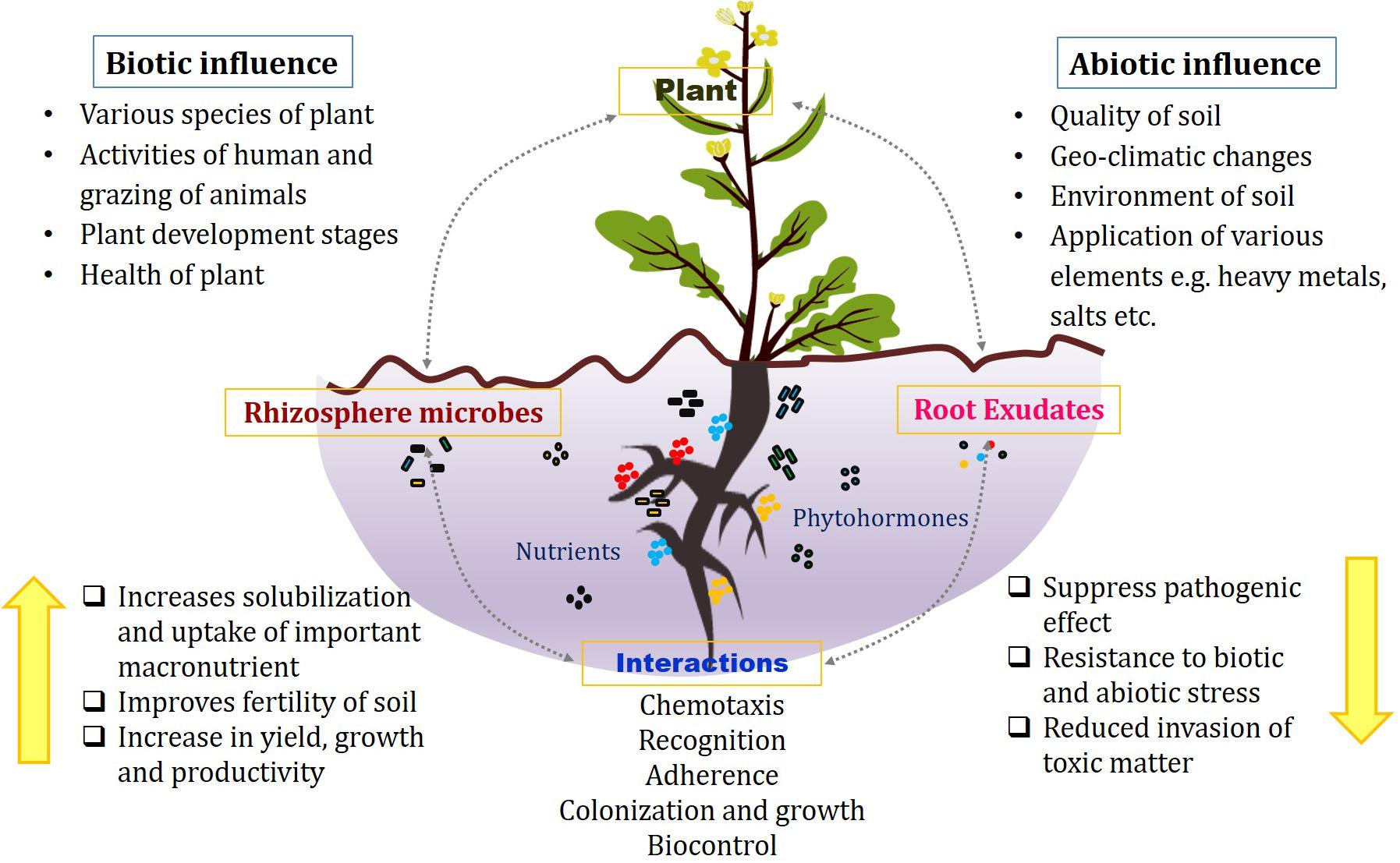
- Root Exudates: These are sugars, amino acids, and organic acids secreted by plant roots. Root exudates act as a direct energy source for soil organisms, encouraging the growth of beneficial microbes near root zones. This symbiotic relationship helps plants access nutrients more effectively.

MultiFIX: Our soil enhancement solution provides a targeted nutrient blend designed to feed native microbes. By supplying “the optimum food for microbes,” MultiFIX supports microbial multiplication and activity, creating a thriving soil ecosystem that promotes plant health and higher yields.
When combined, these sources ensure a diverse and active microbial population, strengthening the entire soil ecosystem for long-term sustainability.
Building Long-Term Soil Health
For lasting results, think beyond quick fixes. Combine microbial management with practices that support your soil’s natural processes:
Reduce tillage to preserve soil structure.
Plant cover crops to protect against erosion.
Minimize chemical inputs that can harm microbial life.
Ready to Give Your Soil a Boost?
At Advanced BioTech, we believe in working with nature, not against it. Our soil enhancement solutions are designed to feed and nurture the native microbes already in your soil, helping you achieve healthier crops and higher yields. Explore how MultiFIX can transform your soil’s health today.
References
1. Gao, Guozhen, Xiaozeng Han, Mengting Maggie Yuan, Craig D. Rasmussen, Keith Paustian, Wei Zhang, Yao Huang, et al. Enhanced CO2 emissions from soil organic matter in agricultural fields during microbial community assemblage. Biology and Fertility of Soils 61 (2025): 43–55. https://doi.org/10.1007/s00374-024-01868-z
2. Lutz, S., N. Bodenhausen, J. Hess, et al. Soil microbiome indicators can predict crop growth response to large-scale inoculation with arbuscular mycorrhizal fungi. Nature Microbiology 8 (2023): 2277–2289. https://doi.org/10.1038/s41564-023-01520-w
3. Li, C., X. Chen, Z. Jia, et al. Meta-analysis reveals the effects of microbial inoculants on the biomass and diversity of soil microbial communities. Nature Ecology & Evolution 8 (2024): 1270–1284. https://doi.org/10.1038/s41559-024-02437-1
4. Zhou, Y., D. Liu, F. Li, et al. Superiority of native soil core microbiomes in supporting plant growth. Nature Communications 15 (2024): 6599. https://doi.org/10.1038/s41467-024-50685-3
5. Jiang, Meitong, Manuel Delgado-Baquerizo, Mengting Maggie Yuan, Jixian Ding, Étienne Yergeau, Jizhong Zhou, Thomas W. Crowther, and Yuting Liang. Home-based microbial solution to boost crop growth in low-fertility soil. New Phytologist 239, no. 2 (2023): 752–765. https://doi.org/10.1111/nph.18943
6. Papin, M., L. Philippot, M. C. Breuil, et al. Survival of a microbial inoculant in soil after recurrent inoculations. Scientific Reports 14 (2024): 4177. https://doi.org/10.1038/s41598-024-54069-x
7. Hiis, E. G., S. H. W. Vick, L. Molstad, et al. Unlocking bacterial potential to reduce farmland N2O emissions. Nature 630 (2024): 421–428. https://doi.org/10.1038/s41586-024-07464-3